
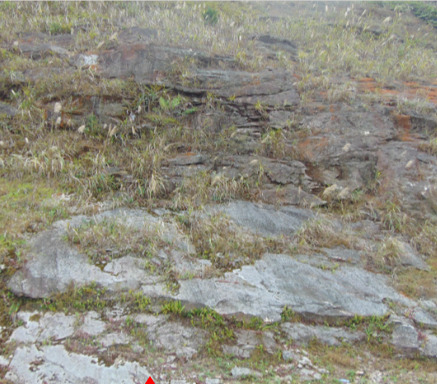
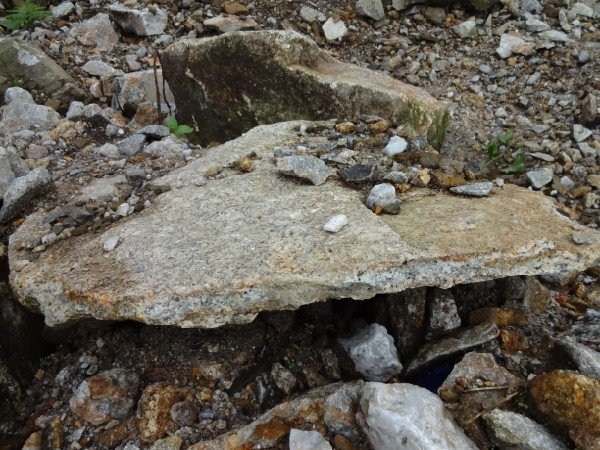
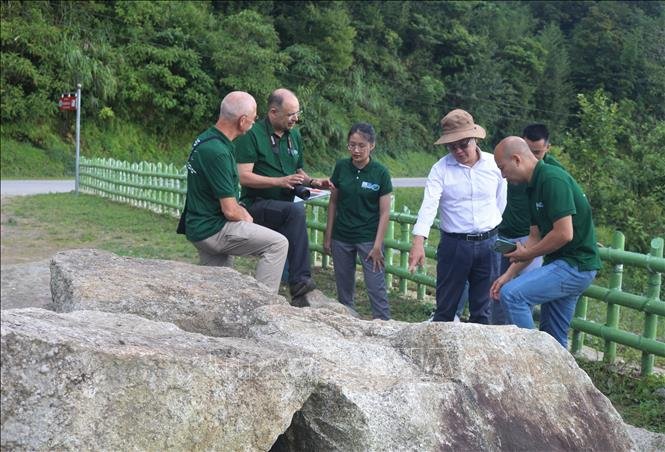
The word "granite" originates from the Latin "granum," meaning grain, because granite is formed from many small pieces of quartz, mica, and feldspar tightly bound together. Granite is a volcanic rock, formed from molten magma that penetrates between other rocks under high temperature and pressure conditions deep within the Earth. The magma gradually cools and slowly solidifies. Granite contains many minerals, and as the magma cools, they crystallize.
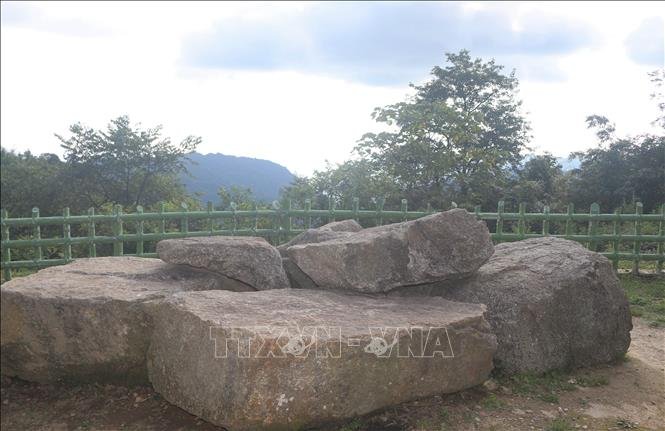
When you carefully examine a piece of Phja Oắc granite, you will see white, often slightly translucent, grains of quartz, a mineral composed of silicon and oxygen. You will also observe shiny black mica grains, a mineral that crystallizes into flat sheets. Another important component of granite is feldspar, which can be slightly reddish or pale pink. When molecules of aluminum, silicon, and oxygen combine with potassium, they form feldspar. This mineral is very common: more than half of the Earth's crust is made up of feldspar! About 100 million years ago, molten magma penetrated the earth's crust in the Phia Oac region as well as much of southeastern China. This is the origin of the granite found there. Many minerals, including precious and rare ones, such as gold, tin, and tungsten, are found in the granite. This high concentration of minerals explains why you can experience many mineral deposits on the Phia Oac tour.