
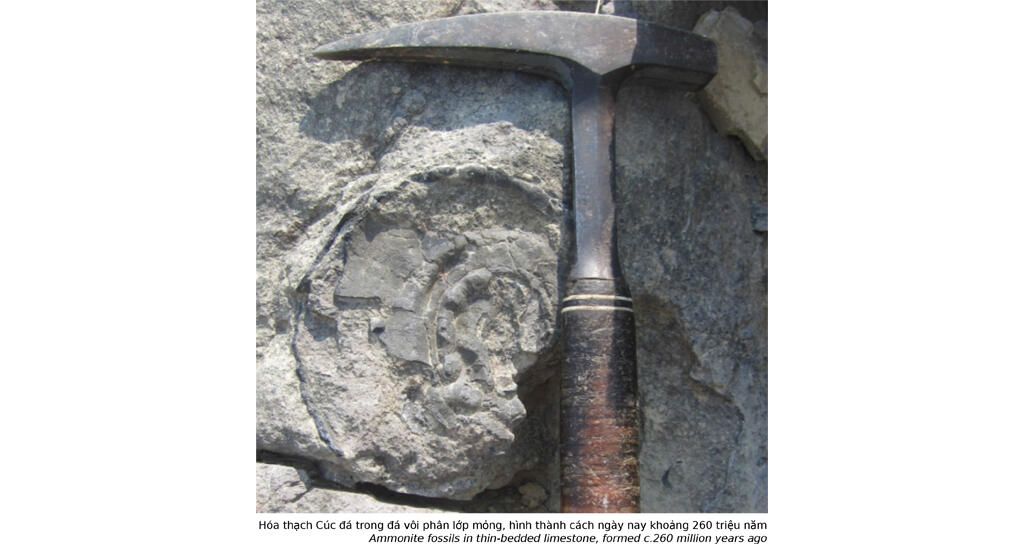
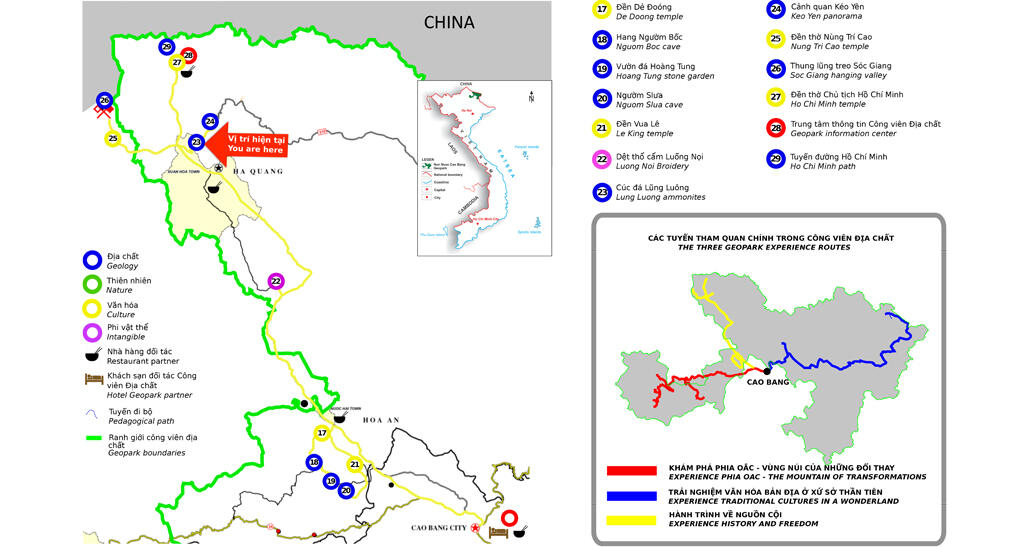
In Lung Luong, Lung Nam commune, ammonite fossils were found, well-preserved in thin-layered limestone formed approximately 260 million years ago (late Permian period).
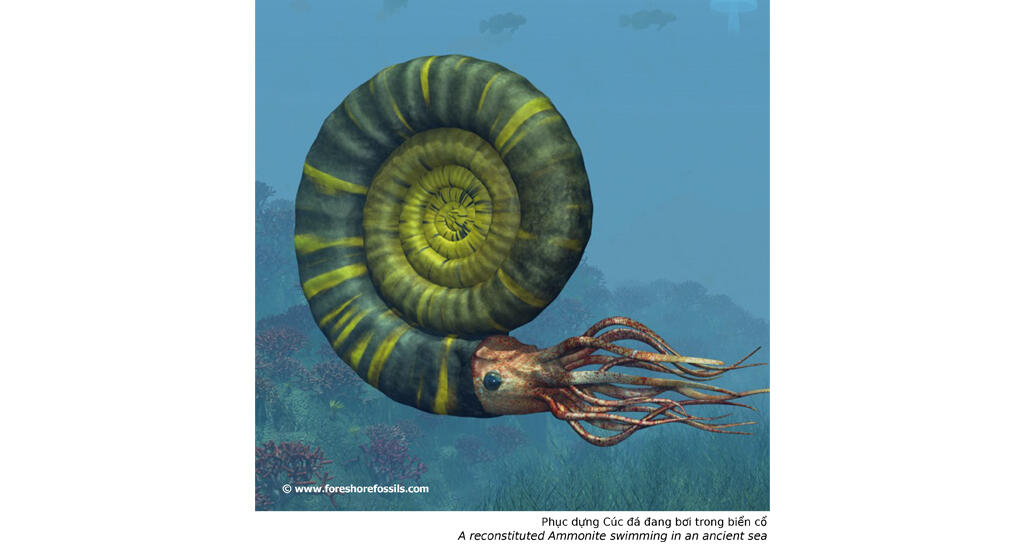
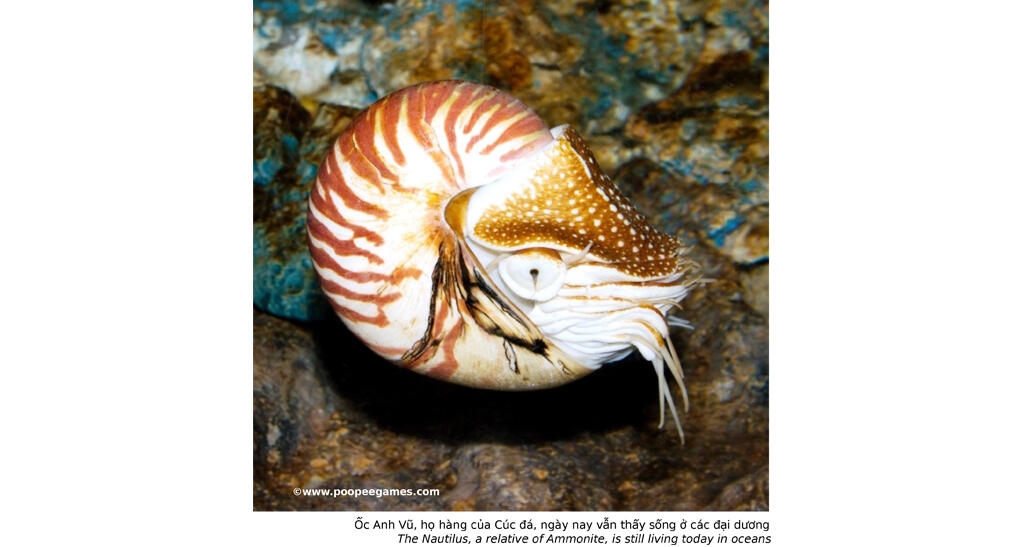
Ammonites are the name of a group of extinct marine mollusks. Considered one of the most highly evolved mollusks, compared to living species, they are closer to octopuses or squids than to shelled species like nautilus. The oldest ammonite species appeared in the Devonian period (approximately 420 million years ago), while the last ones are seen during the Cretaceous-Paleogene biosphere crisis (approximately 66 million years ago), when up to 75% of plant and animal species (especially dinosaurs) on Earth became extinct.
Due to their ability to swim quickly – by jet-like propulsion – in the seawater environment, ammonites once lived in many places. Similar to modern squid, they could also jet-like propulsion." The squid when fleeing.
The name Ammonite comes from its coiled outer shell, which somewhat resembles a ram's horn, often worn by an Egyptian god named Ammon.
In geological science, ammonite fossils are very valuable for dating the rock layers and strata containing them because specific ammonite species usually only live during certain periods. Naturally, they also show that the locations where they are found today were once seas hundreds of millions of years ago.